Behind the Scenes: How Your Wedding Photos Go from Camera to Camer-ooooh!
That heading might be the worst joke I’ve ever made on this site.
But behind it, there’s a serious point being made. Imagine your wedding photos are an iceberg – the bit you see, on the day, is the seal-populated island bobbing about the surface. You don’t see the behemoth lurking underwater. That behemoth is the editing side of your wedding photos, and I wanted to take a bit of time to explain what actually happens after your photographer packs up their gear!
Let’s take a peek behind the scenes at how your photos go from camera clicks to a stunning final gallery you’ll cherish forever. (I’ll also give you some pointers on the types of questions to ask your wedding photographer to make sure you get the final result you want.)
1. Let's Talk File Types!
Straight off the bat, I know that heading has made a load of people click the ‘back’ button. But for those of you who have stuck it out, it’s actually a vital point and one to ask your prospective wedding photographer: what file format do you shoot in?
In my view, there’s one totally incorrect answer which should be a big old red flag: ‘I shoot JPEG’. If you hear the word ‘RAW’ in the answer, that’s a positive sign and you can proceed with further questions.
Put really simply, a camera shooting JPEG is shooting a finished image - which is fine if you’ve got everything 100% correct in the camera and don’t need any tweaks whatsoever. And any photographer who tells you they can do this 100% of the time is being a big fibbing fibber.
RAW files are, in some respects, like your old-fashioned film negatives . They need a bit of handling to get them right, but they give you loads of scope to present the images in your own way. And in the event of your settings going skew-iff for some reason, it’s much easier to salvage the image with a RAW file than a JPEG.
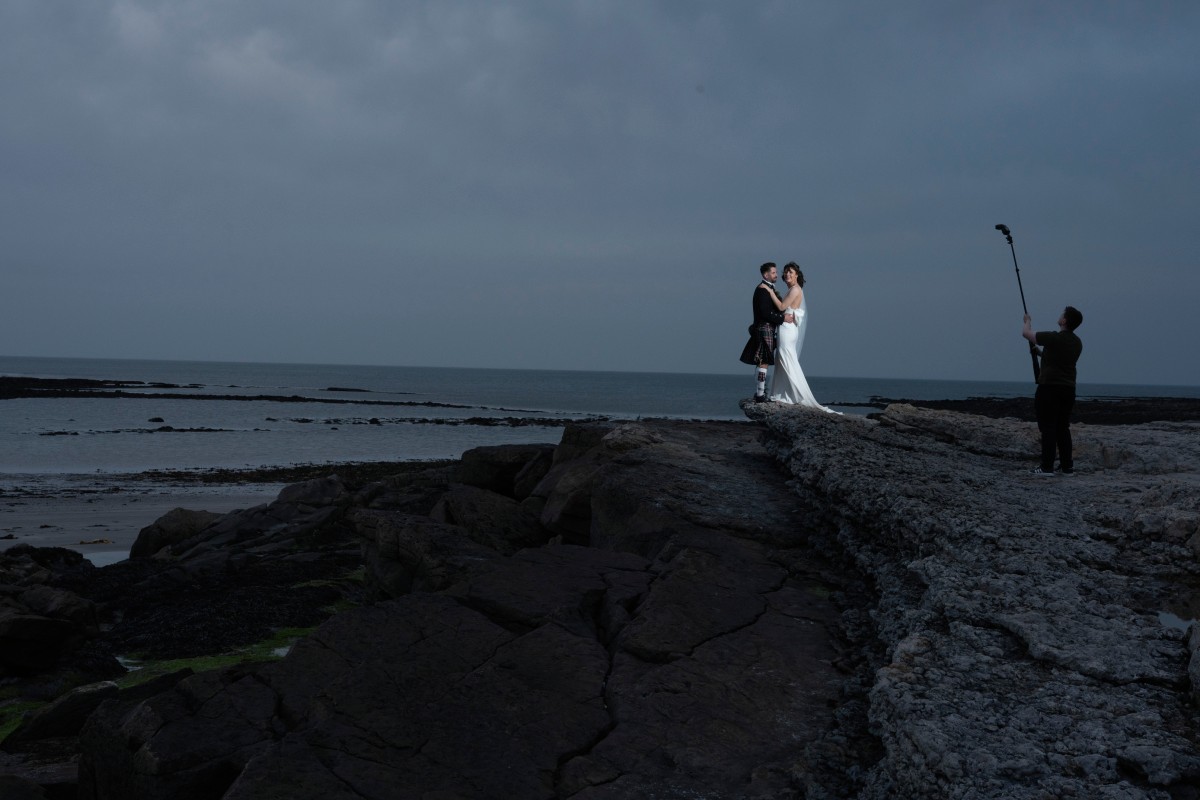
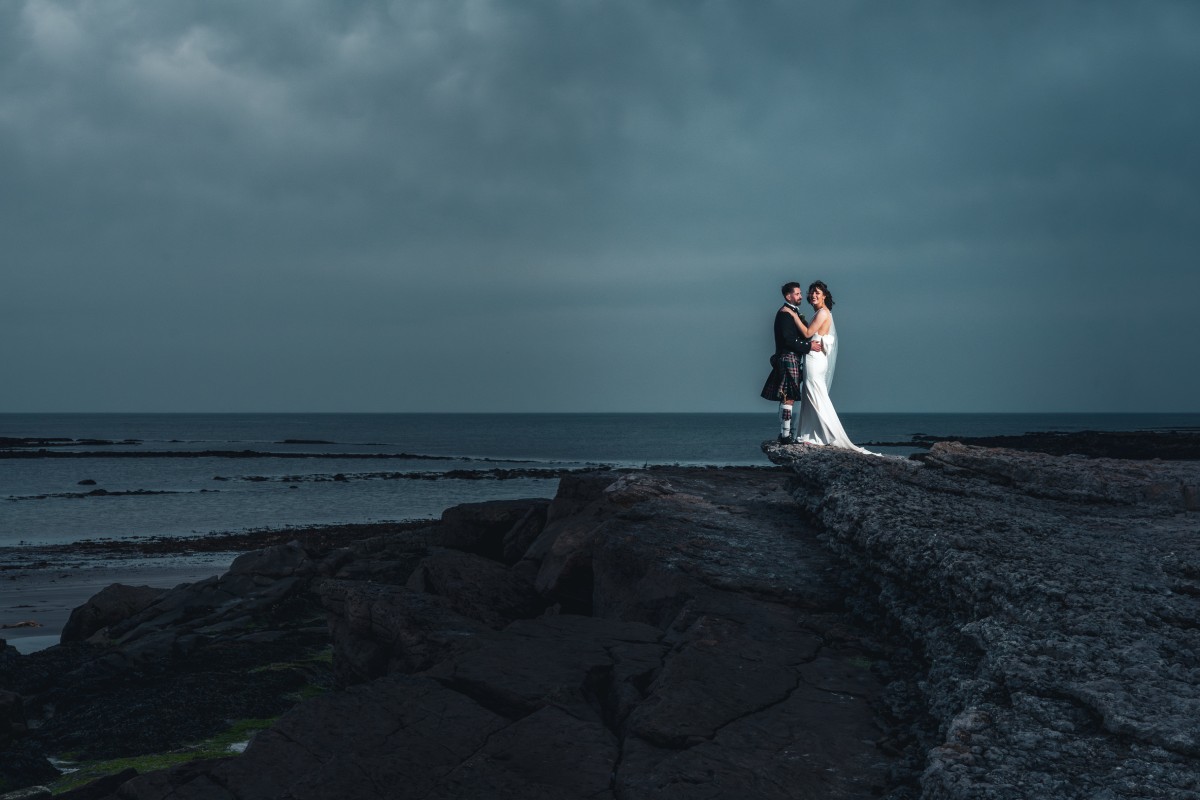
I’ve provided a wee sample below of just how much can be achieved with a RAW file - the original file obviously needs a bit of work (not least removing a Danny holding a flash); the finished image has more drama to it, more nuance in the tones and looks more like the ‘finished article.
2. Backup: Keeping Your Precious Memories Safe
So we’ve shot the wedding - what next? The absolute number one priority is to make sure your photos are backed up in multiple places. Because let’s be honest, losing wedding pictures is a nightmare no one wants to experience! Generally, professional-grade cameras will have multiple card slots, so even on the day your images should be getting backed up. (This is another good question to ask your photographer, for peace of mind.)
Most photographers store photos in:
- ✅ Memory cards - straight from the camera, but never the only copy!
- ✅ External hard drives - just in case something happens to the first set
- ✅ Cloud storage - because extra security never hurts!
This way, no matter what, your special moments are safe and sound.
3. Culling: Picking the Best of the Best
Your photographer takes *tons* of pictures (we’re talking hundreds or even thousands), so the next step is sorting through them to pick the absolute best ones. This means removing any blurry shots, awkward expressions, or near-duplicates, leaving only the most meaningful, beautiful, and emotional images.
Think of it as creating a highlight reel of your love story – only the *chef’s kiss* moments make the cut!
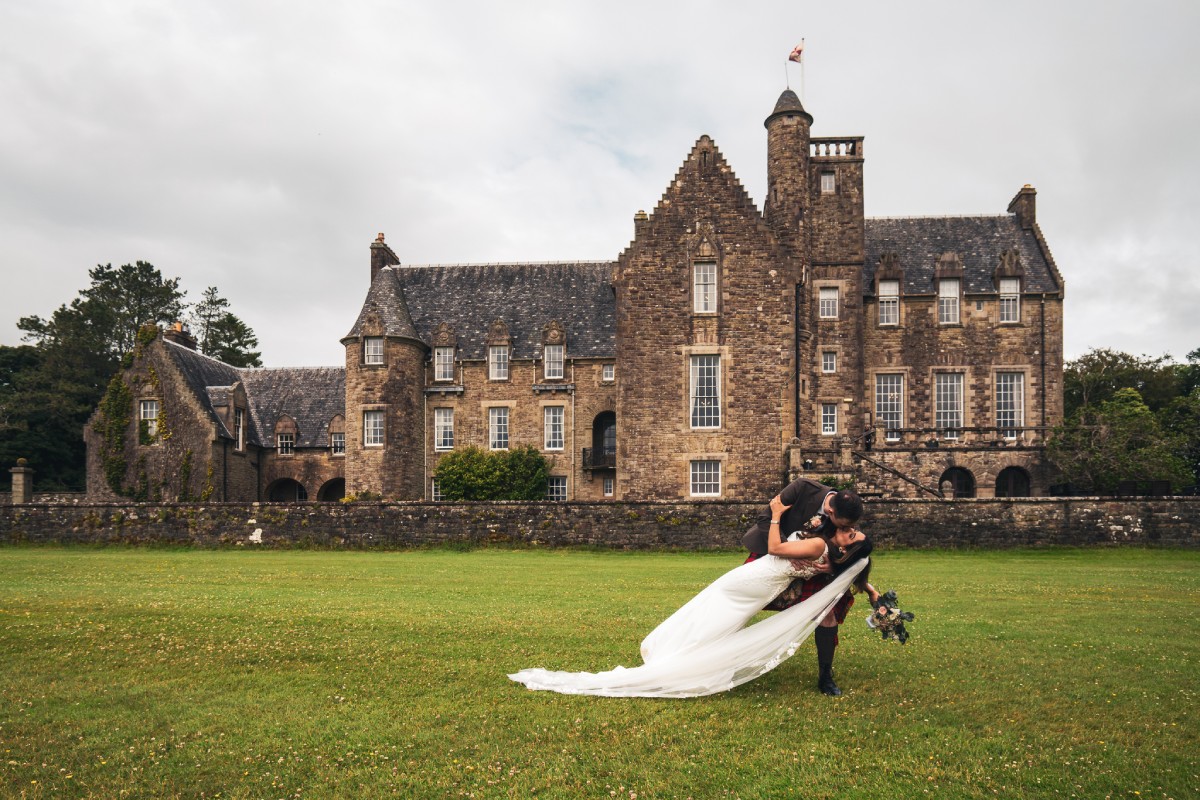
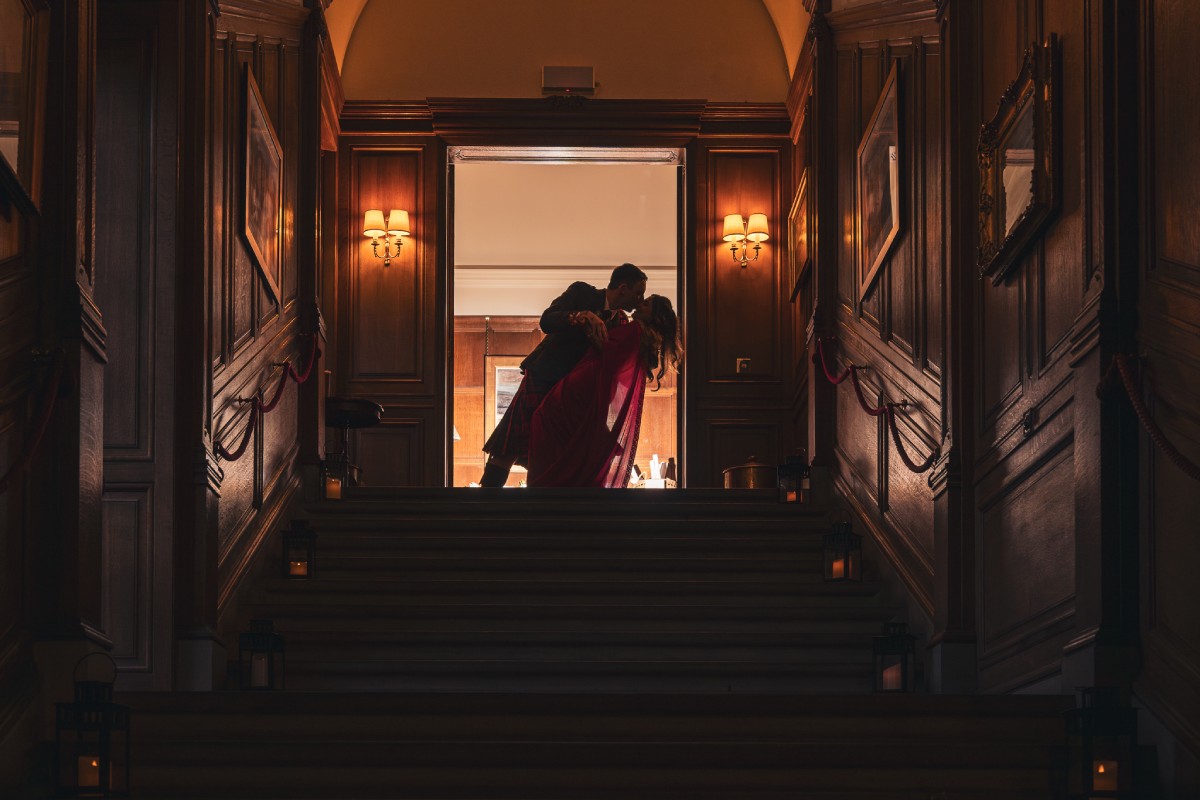
4. Editing: The Magic Touch
Once the best shots are chosen, it’s time for editing—where the real magic happens!
Here’s what goes into editing your photographs:
- ✅ Colour correction: Making sure that any colour-casts are corrected and lighting issues are evened out.
- ✅ Basic retouching: A little skin smoothing, removing distractions, and ensuring you both look your best.
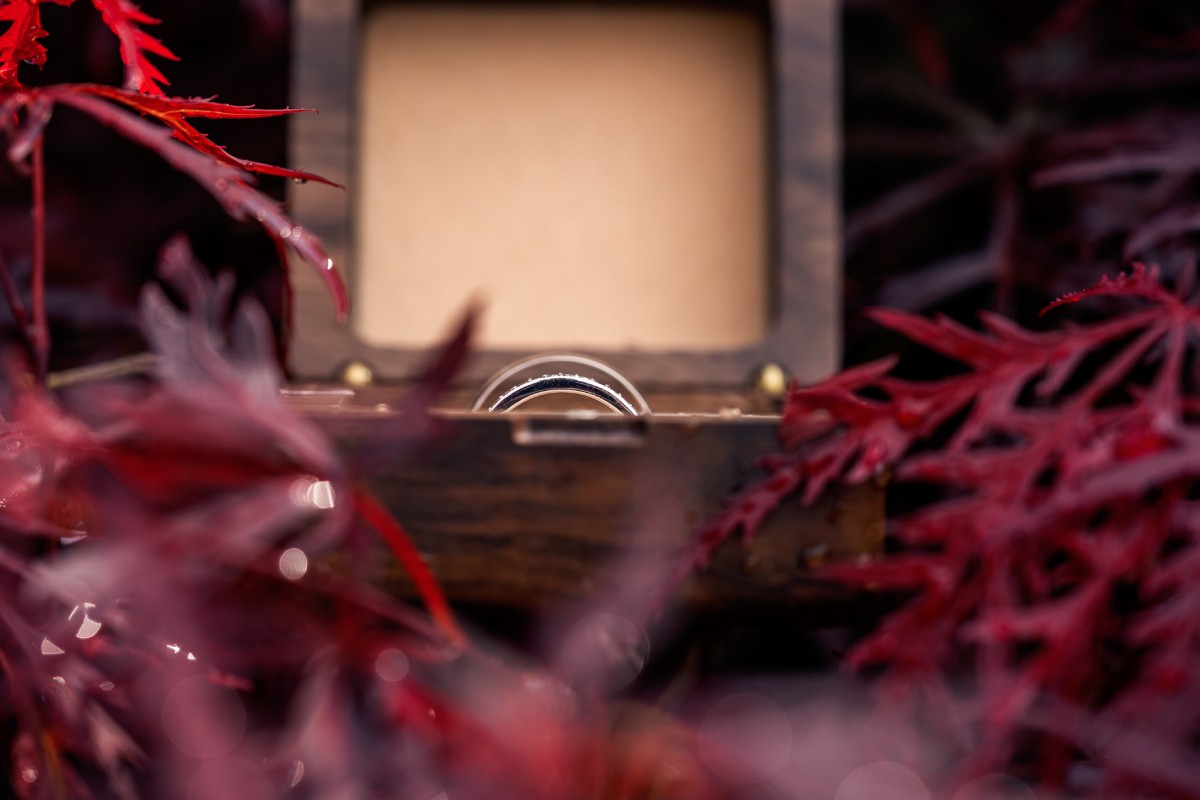
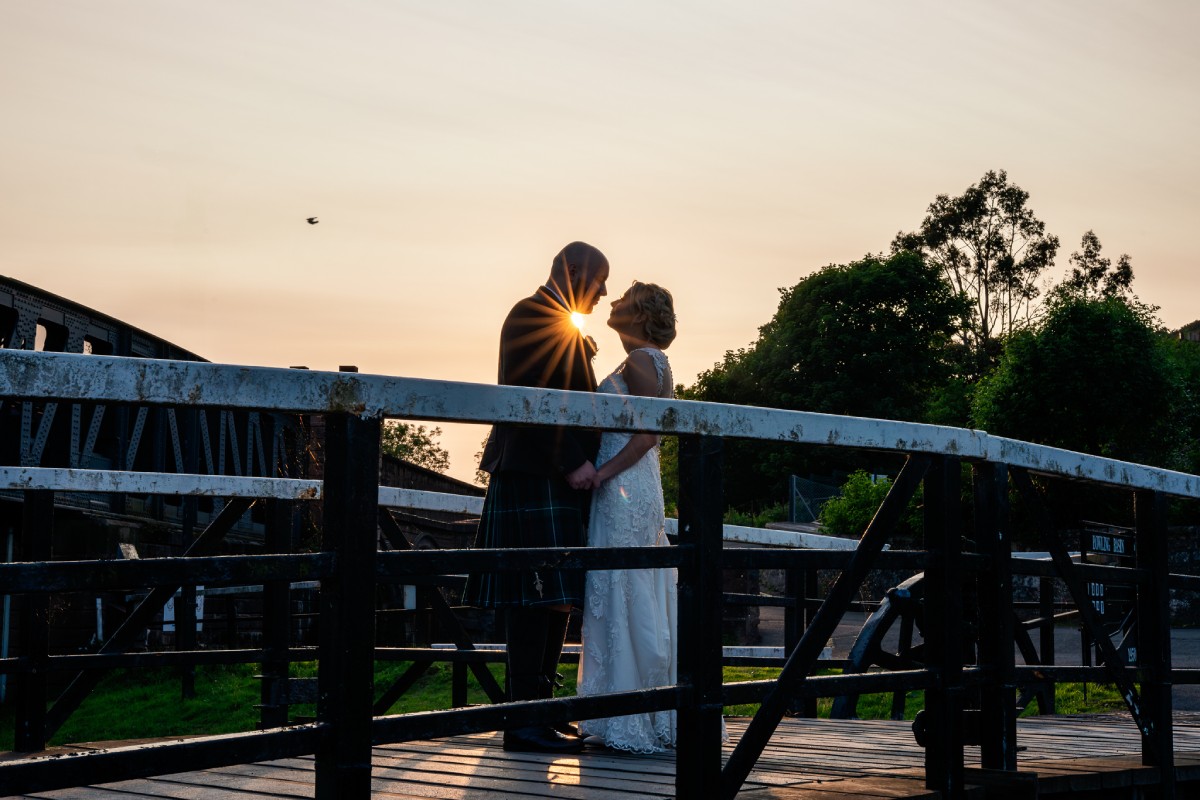
- ✅ Signature style: Whether your photographer’s vibe is light and airy, dark and moody, or classic and timeless, they’ll make sure your photos have that polished, professional finish.
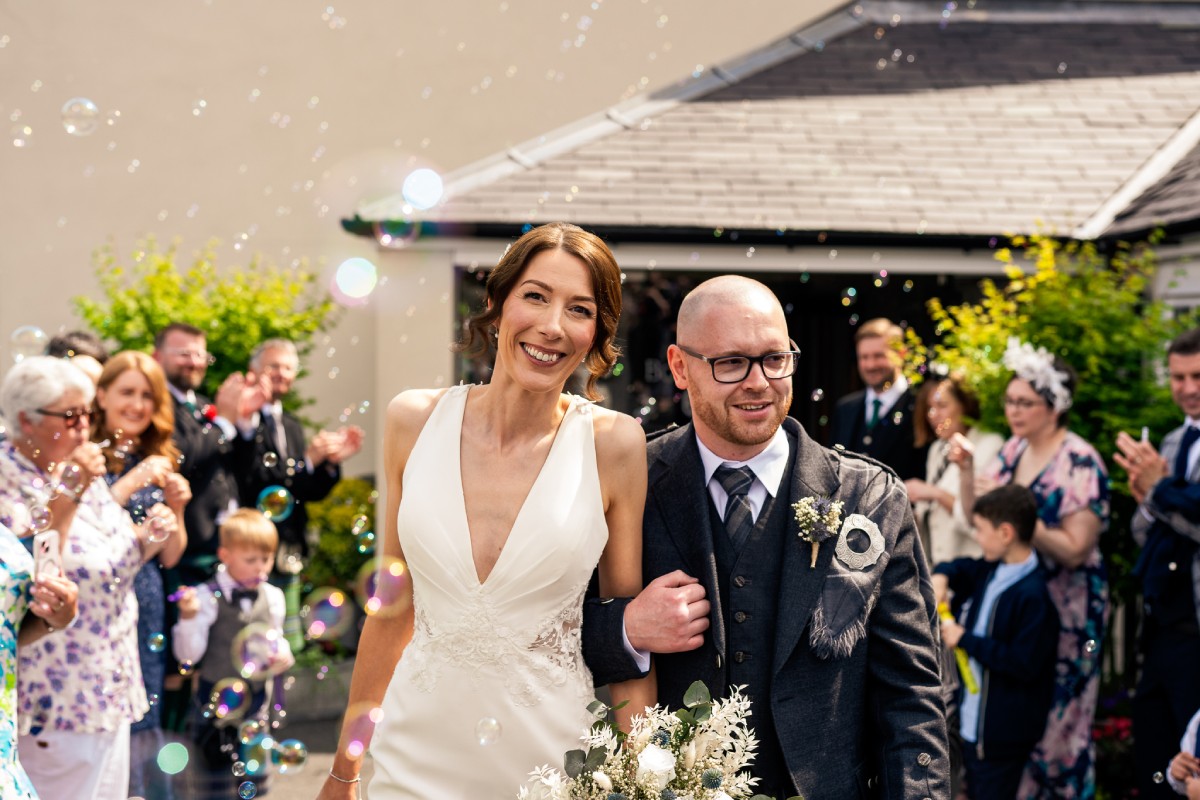
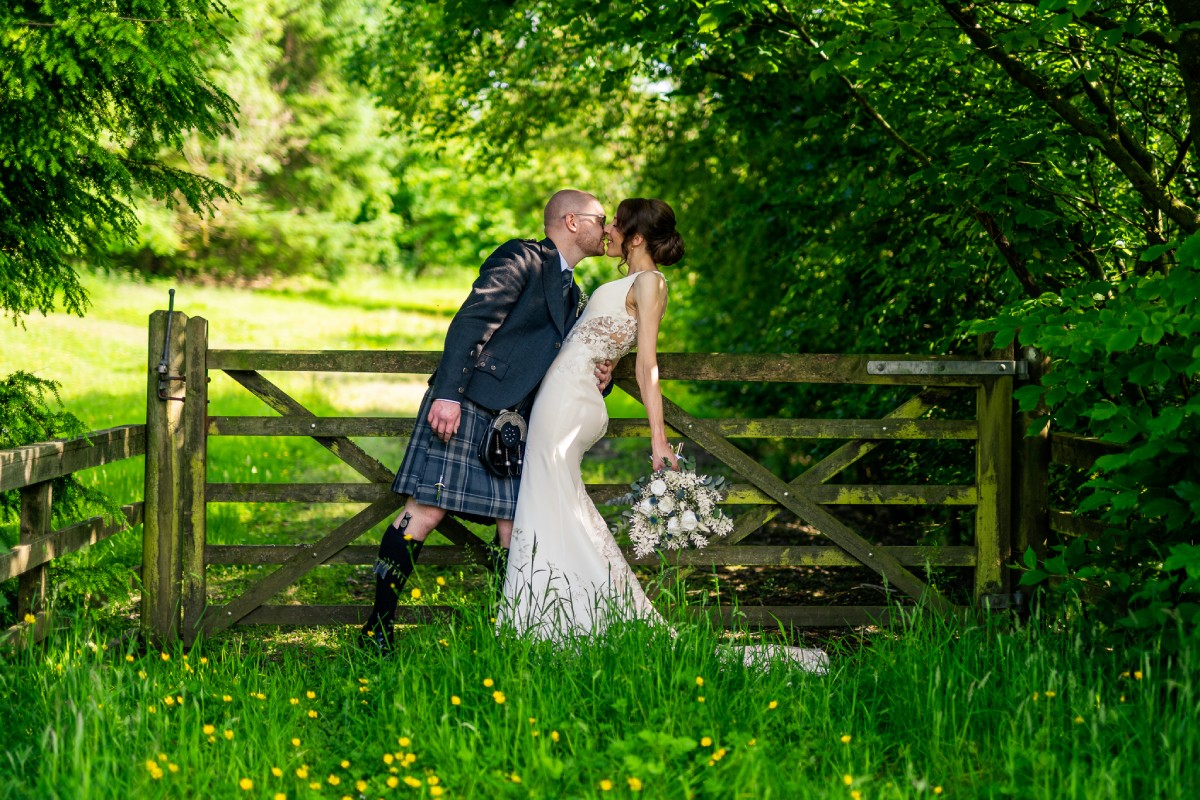
5. Uploading Your Gorgeous Photos to Your Gallery
Finally, your photos are ready to be shared! Your photographer will upload the edited images to a sleek online gallery where you can easily view, download, and share them with friends and family. Many galleries also allow you to order prints or design albums straight from the site.
And because waiting is hard, some photographers will send you a sneak peek within a few days, so you don’t have to wait too long to see a glimpse of your big day! Generally, mine are out within a couple of days of your wedding, so you can use professional, polished images to do a Facebook post or a thank you card.
Wrapping Up
Your wedding photos are more than just pictures. They’re the story of one of the happiest days of your life. By the time you receive your final gallery, your photographer has spent *hours* making sure every image is perfect, so you can relive the magic again and again.